Quintessence: Art History Shake & Bake, by Sara Diamond
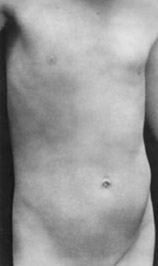
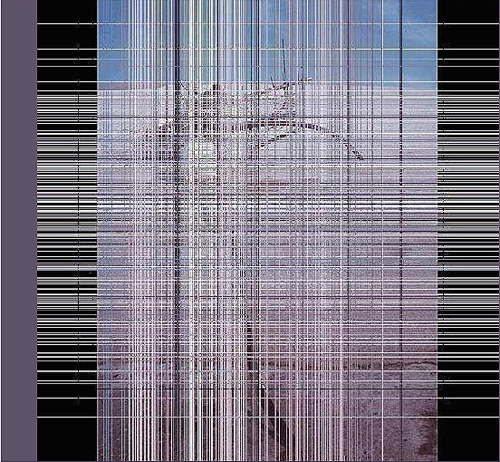
Sherrie Levine, After Edward Weston, 1981
Image source: studiolo.org
Text source: Horizon 8
April/May 2003
Side by side, twining, overlapping, influencing, borrowing from itself and mass culture – so runs the last one hundred years of Western art history. In turn, remix culture borrows from many movements within late and post-modernism: appropriation, collage, dada, graffiti, mail art, manipulated objects, photo montage, pop art, process art, scratch video – the beat goes on. The 20th Century avant garde understood the image as a representation, not a thing in itself. They sought to undermine its aura and authenticity, and open up its meaning, through shifting its context and interpretation.
Dada and Collage
Appropriation practices in 20th Century art start with modernism’s fascination with industrial revolution, with essence and progress. The term “collage” derives from the French coller (to glue), and first appears in the work of Picasso – specifically, Still Life with Chair Caning (1912), wherein he used actual chair cane as well as paint. Collage continued through the Dada movement, spilling into surrealism. Inspired by peeling layers of Parisian street posters, LÈo Malet invented dÈcollage: the removal of images from an existing surface. Collage appears in the work of Braque and Picasso, whose work was in turn iterative of early advertisements. Remix is a form of collage.